Modern hospital corridor illuminated by evenly-spaced LED ceiling panels, leading toward patient rooms

Healthcare

Centralized Healthcare Power for Safer, More Reliable Patient Spaces

Cence delivers centralized, low-voltage DC power distribution systems designed to safely and reliably support patient rooms, clinical spaces, and 24/7 hospital operations.

Cence · Healthcare

Class 2 Low-Voltage Power for Healthcare.

Replace complex high-voltage wiring with a resilient DC backbone. Engineered to exceed healthcare efficiency standards, Cence reduces maintenance complexity while powering the flicker-free environments where clinical teams perform their best.

North American health systems are accelerating their transition to net zero. The U.S. HHS Health Sector Climate Pledge involves over 960 hospitals committed to decarbonization by 2050. In Canada, the 2030 Emissions Reduction Plan and Canadian Medical Association mandates create a clear requirement for sustainable facility design.

Cence DC infrastructure provides a direct path to these goals. It gives specifiers a measurable way to hit environmental targets while maintaining peak clinical performance.

The Cence Approach

Engineered for the outcomes that matter most.

Intrinsically safe.

Class 2 DC power is inherently current-limited to UL 1310 levels. Any wiring accessible to patients and staff stays below hazardous thresholds by design, so there is no live-voltage hazard in patient rooms.

No conduit. No junction boxes.

Class 2 wiring removes the need for metal conduit, junction boxes, and mechanical protection, materially reducing electrical material scope and coordination complexity. Delivers roughly 60% lower cabling cost and compresses the electrical schedule by weeks.

Fewer failure points.

By centralizing DC drivers and removing electronics from fixtures, Cence eliminates the most failure-prone component in LED systems. More than double the fixture service life, with simplified maintenance access and predictable lifecycle costs.

Lower operational and embodied carbon.

Centralized DC power reduces conversion losses and electrical material intensity, cutting lighting energy use and avoiding 3.3 to 41.4 tonnes of CO2 annually while reducing embodied carbon in new construction.

What electrical engineers ask us most.

How does Class 2 DC Power reduce hospital construction costs?

Class 2 DC power lowers hospital construction costs by removing the requirement for steel conduit, junction boxes, and mechanical protection. That delivers approximately 60% reduction in cabling costs alongside a faster electrical rough-in schedule.

Because Class 2 wiring stays inherently below hazardous voltage and current thresholds (per UL 1310 and the NEC), it is exempt from the raceway rules that govern line-voltage AC. On Cence projects that typically compresses the electrical schedule by weeks, reduces skilled-electrician hours on site, and frees ceiling plenum space for mechanical work.
Why does flicker-free DC lighting matter in clinical environments?

Flicker-free DC lighting eliminates the 120 Hz oscillation endemic to AC-driven LEDs, a known contributor to eye strain, headaches, and measurable performance decline during high-concentration clinical tasks.

Cence removes flicker at the architecture level by distributing DC centrally rather than converting inside each fixture. That produces a smooth steady-state output that clinical teams report as markedly easier on the eyes during long procedures, imaging review, and pharmacy compounding work.

PERFORMANCE AT A GLANCE

The Cence platform, by the numbers.

~60%
Lower cabling cost on typical Cence installs
2×
LED fixture lifespan via centralized remote drivers
95%
Peak AC-to-DC conversion efficiency
20%
Up to 20% reduction in lighting energy consumption
8%
~8% reduction in lighting-related embodied carbon
PROVEN IN THE FIELD

Healthcare teams already running on Cence.

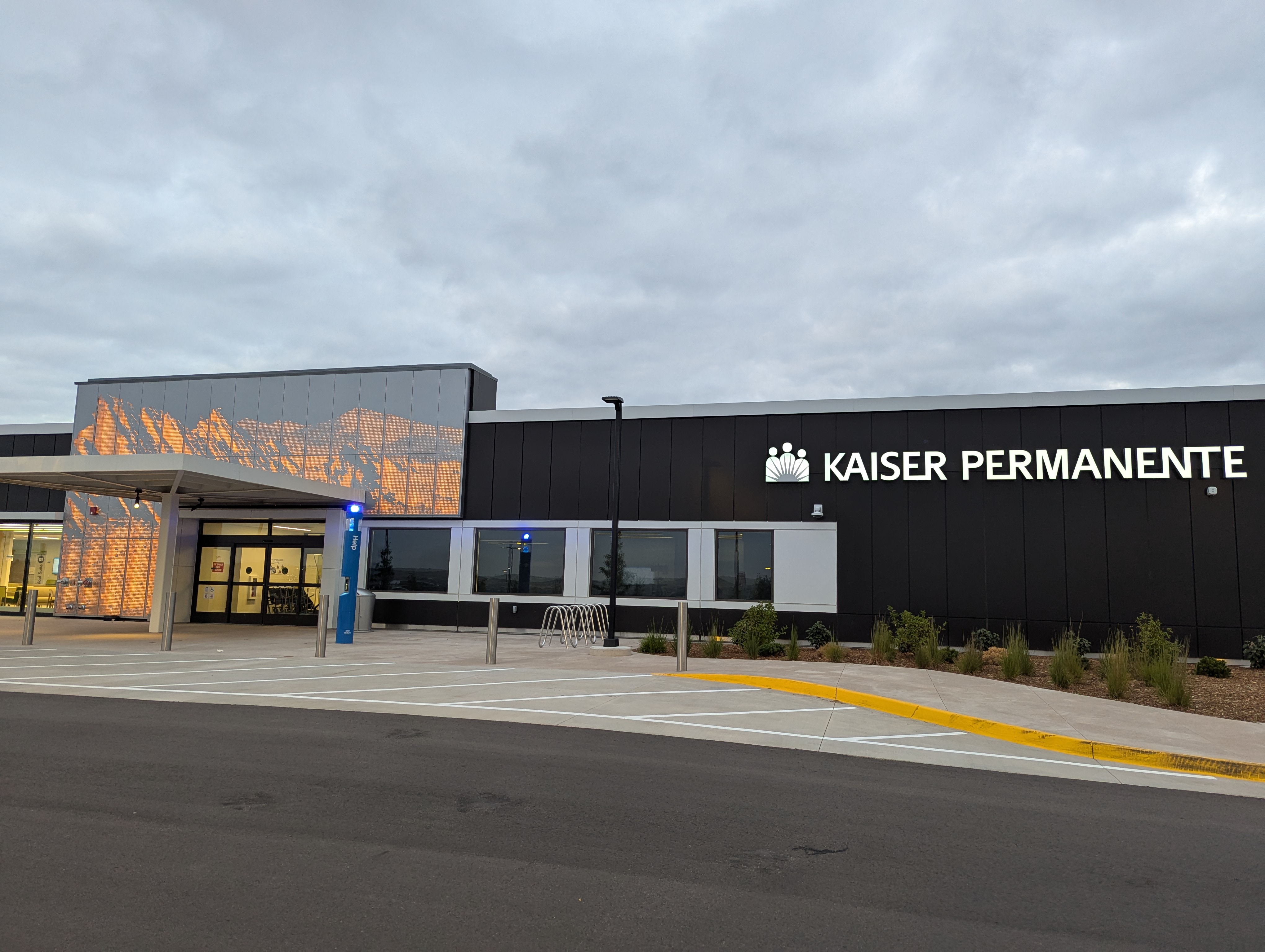
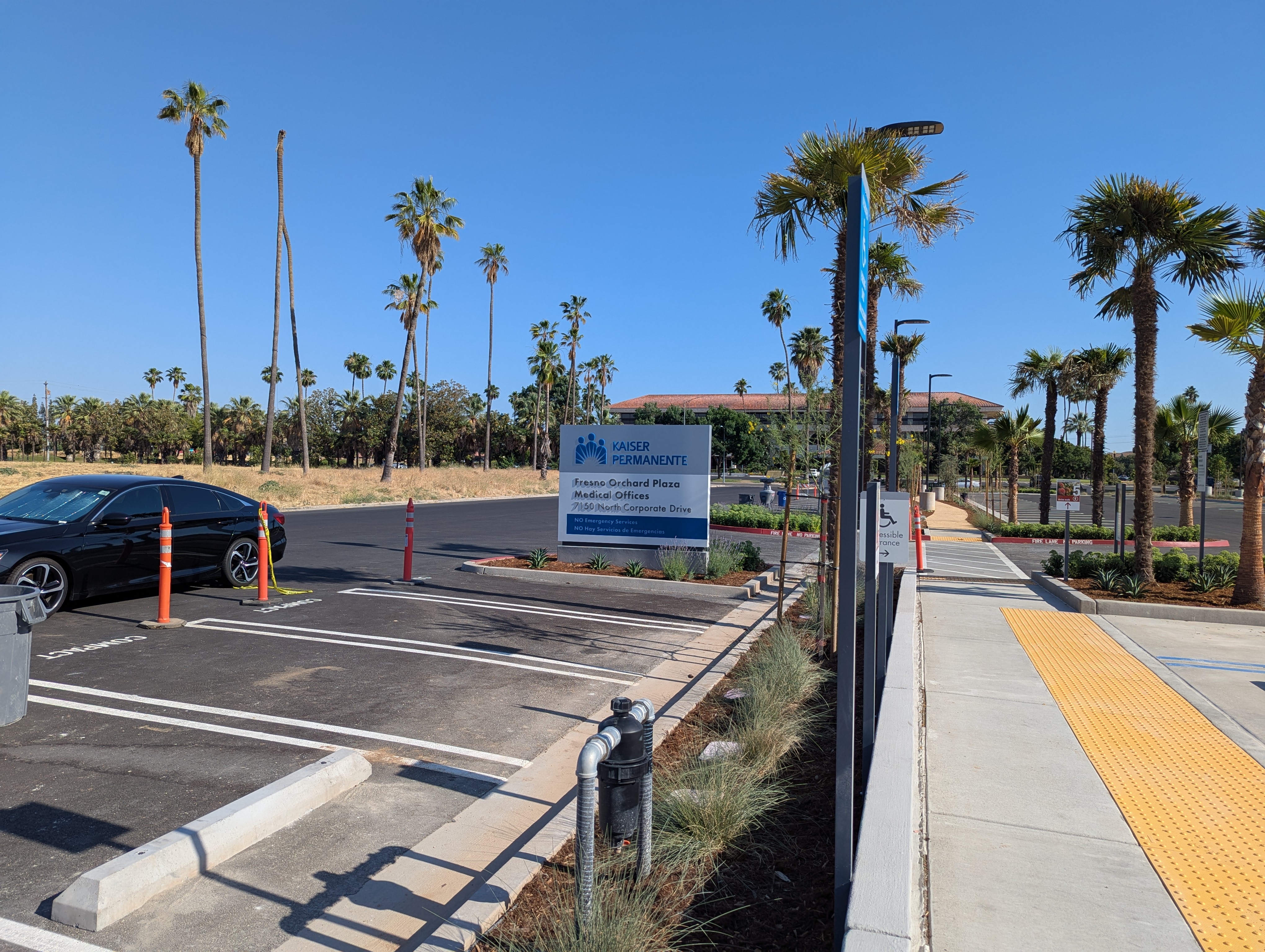
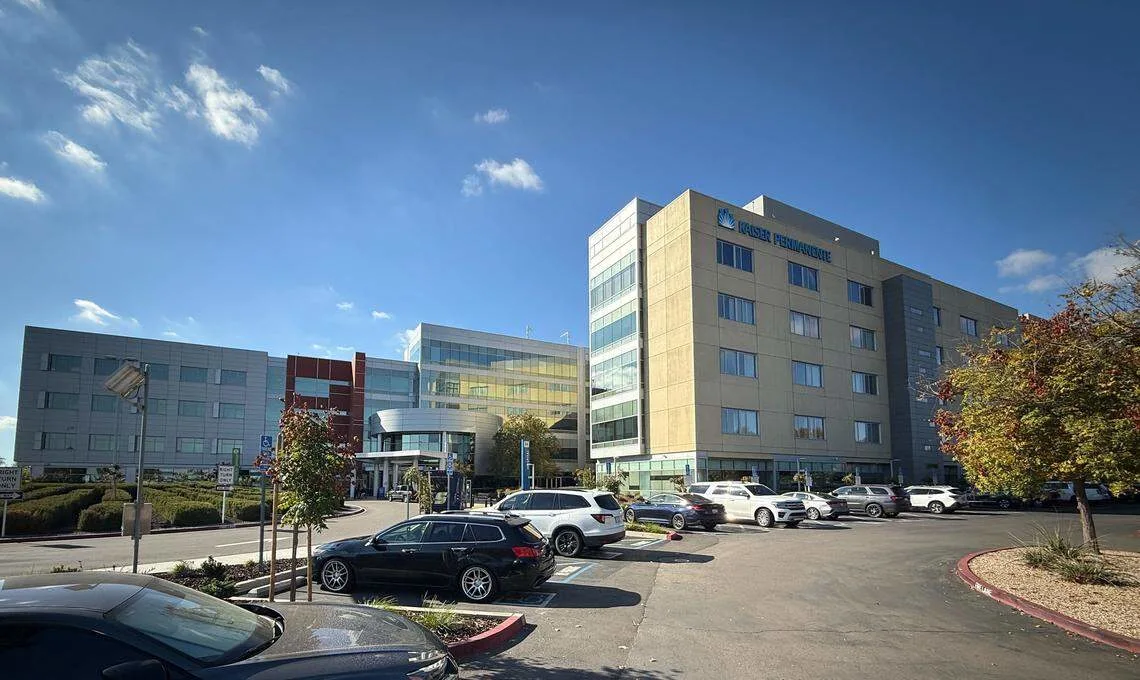
Three Kaiser Permanente Medical Office Buildings. Specified, installed, and delivering against their decarbonization targets.

Ready to run the numbers on your project?

Get a facility-specific CapEx / OpEx model and decarbonization roadmap within two weeks.

Get a custom assessment