
Pre-order Cence HV, our fault-managed power system here

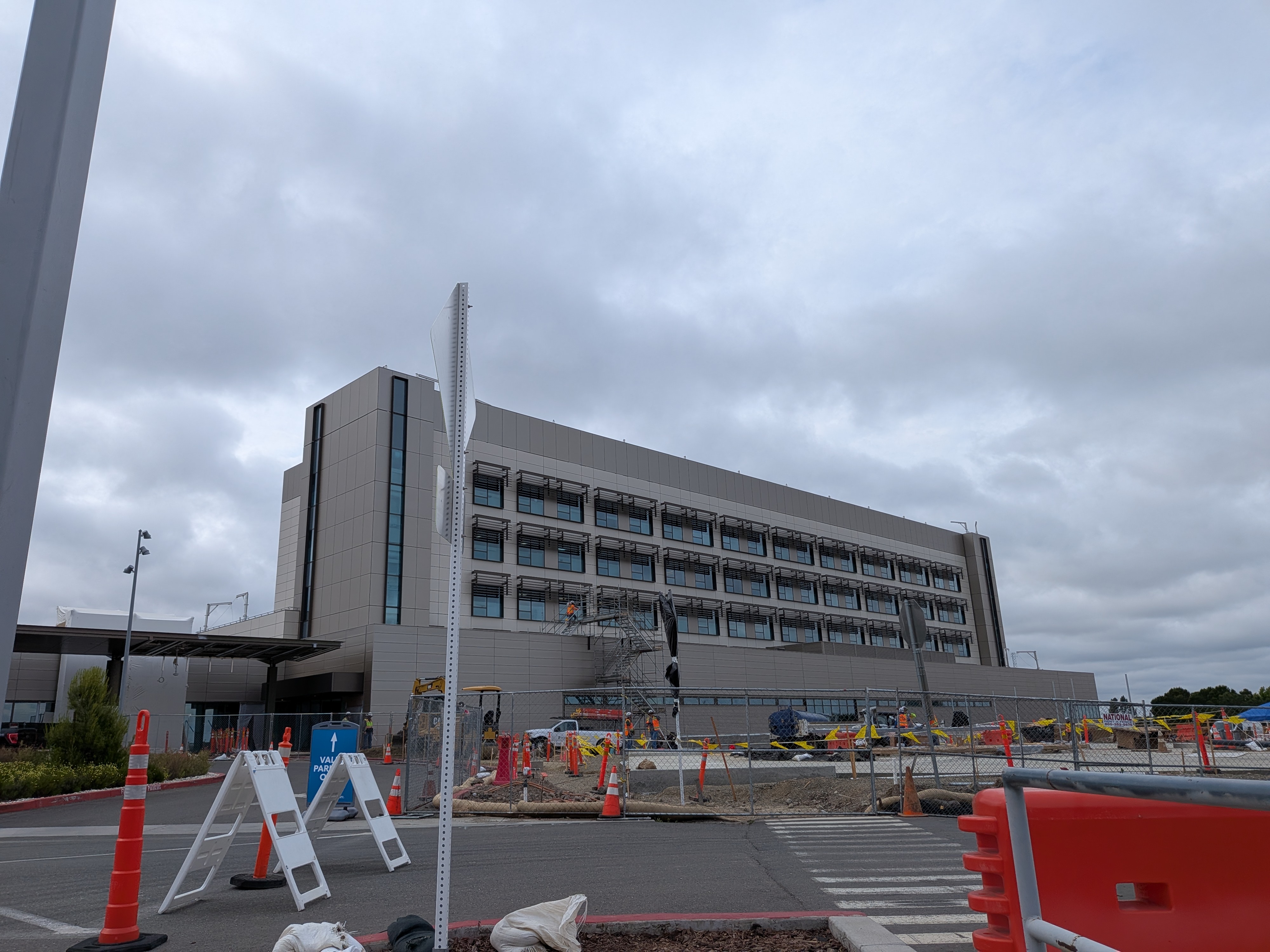
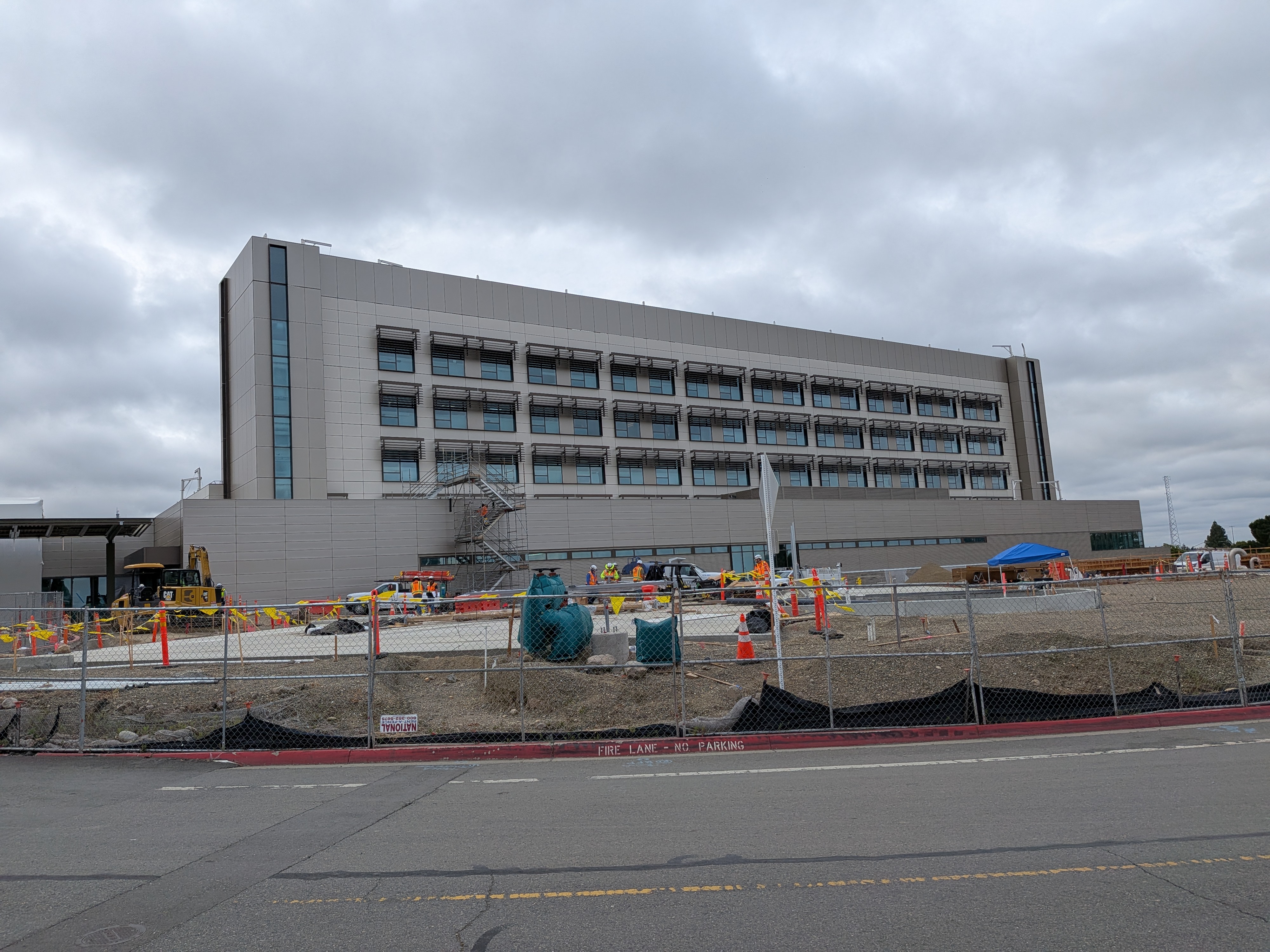
For Kaiser Permanente, sustainability has long been part of how healthcare facilities are designed, built, and operated. That philosophy extends beyond energy efficiency to the systems and materials that support day-to-day hospital operations.
Kaiser Permanente Roseville is a general medical and surgical hospital serving Northern California. To support growing demand, the facility expanded its acute-care capacity with a new six-story, 272,000-square-foot addition that includes 138 patient beds, 20 ICU beds, a 36-bed emergency department expansion, six operating rooms, pharmacy services, and imaging and diagnostic departments.
As part of the project, Kaiser Permanente evaluated how lighting infrastructure could support long-term operational efficiency, maintainability, and sustainability objectives while meeting the demands of a continuously operating healthcare environment.
In traditional LED lighting systems, AC-to-DC conversion typically occurs at each fixture. These components are often located above ceilings and can require extensive coordination to access and service within occupied healthcare facilities.
In hospital environments, maintenance activities must be planned around patient care, clinical operations, and occupied spaces, making accessibility an important consideration.
Healthcare Facilities Demand Long-Term Reliability
Hospitals are designed and operated over decades. The project team wanted a lighting infrastructure that would simplify maintenance, reduce service complexity, and support long-term operational performance.
Sustainability Goals Extend Beyond Energy Use
Kaiser Permanente's sustainability objectives encompass both operational emissions and building performance. The project team sought opportunities to improve efficiency while supporting the organization's broader environmental commitments.
Repeated AC-to-DC Conversion Reduces Efficiency
LEDs ultimately operate on DC power. Conventional lighting systems require AC-to-DC conversion at each fixture, meaning the conversion process is repeated hundreds of times throughout a facility.
Across a large hospital operating continuously, these conversion losses contribute to energy consumption and heat generation.
To support these objectives, Kaiser Permanente selected a centralized low-voltage DC lighting architecture powered by Cence LV.
Rather than performing AC-to-DC conversion at every fixture, the system centralizes that conversion within accessible power hubs and distributes low-voltage DC power directly to LED lighting throughout the facility.
By relocating AC-to-DC conversion equipment from the ceiling to centralized service locations, the system simplifies maintenance while supporting efficient power distribution.
Centralized AC-to-DC Conversion
The system performs AC-to-DC conversion within centralized hubs rather than at individual fixtures throughout the hospital.
This approach places serviceable power conversion equipment in accessible locations and reduces the maintenance challenges associated with fixture-level power conversion.
Maintenance Without Disrupting Clinical Spaces
Because power conversion equipment is centralized, maintenance can be performed at the hub rather than above occupied hospital spaces.
This helps reduce disruption in patient-care areas and simplifies service activities across the facility.
Improved System Efficiency
Centralizing AC-to-DC conversion allows power conversion to occur at a single high-efficiency location rather than being repeated at every fixture.
This reduces conversion losses and improves overall lighting system efficiency.
Lighting Infrastructure Designed for Long-Term Operation
The resulting architecture supports the long service life expected of healthcare facilities while providing a simplified approach to lighting power distribution and maintenance.
Lorem ipsum dolor sit amet, consectetur adipiscing elit, sed do eiusmod tempor incididunt ut labore et dolore magna aliqua. Ut enim ad minim veniam, quis nostrud exercitation ullamco laboris nisi ut aliquip ex ea commodo consequat. Duis aute irure dolor in reprehenderit in voluptate velit esse cillum dolore eu fugiat nulla pariatur.
Block quote
Ordered list
Unordered list
Bold text
Emphasis
Superscript
Subscript

By centralizing AC-to-DC conversion and simplifying lighting power distribution, Kaiser Permanente Roseville implemented a lighting system designed to support reliability, maintainability, and long-term operational efficiency.
Reduced Maintenance Burden
Relocating AC-to-DC conversion equipment from individual fixtures to centralized hubs places serviceable components in accessible locations and reduces maintenance associated with fixture-level power conversion equipment.
Extended Lighting System Life
Centralized AC-to-DC conversion removes a common point of failure from the fixture environment and is expected to more than double LED fixture lifespan compared to conventional fixture-level conversion approaches.
Lower Lighting Energy Consumption
Centralized high-efficiency AC-to-DC conversion is expected to reduce lighting energy consumption by approximately 8%, with additional savings possible depending on controls strategy and operating conditions.
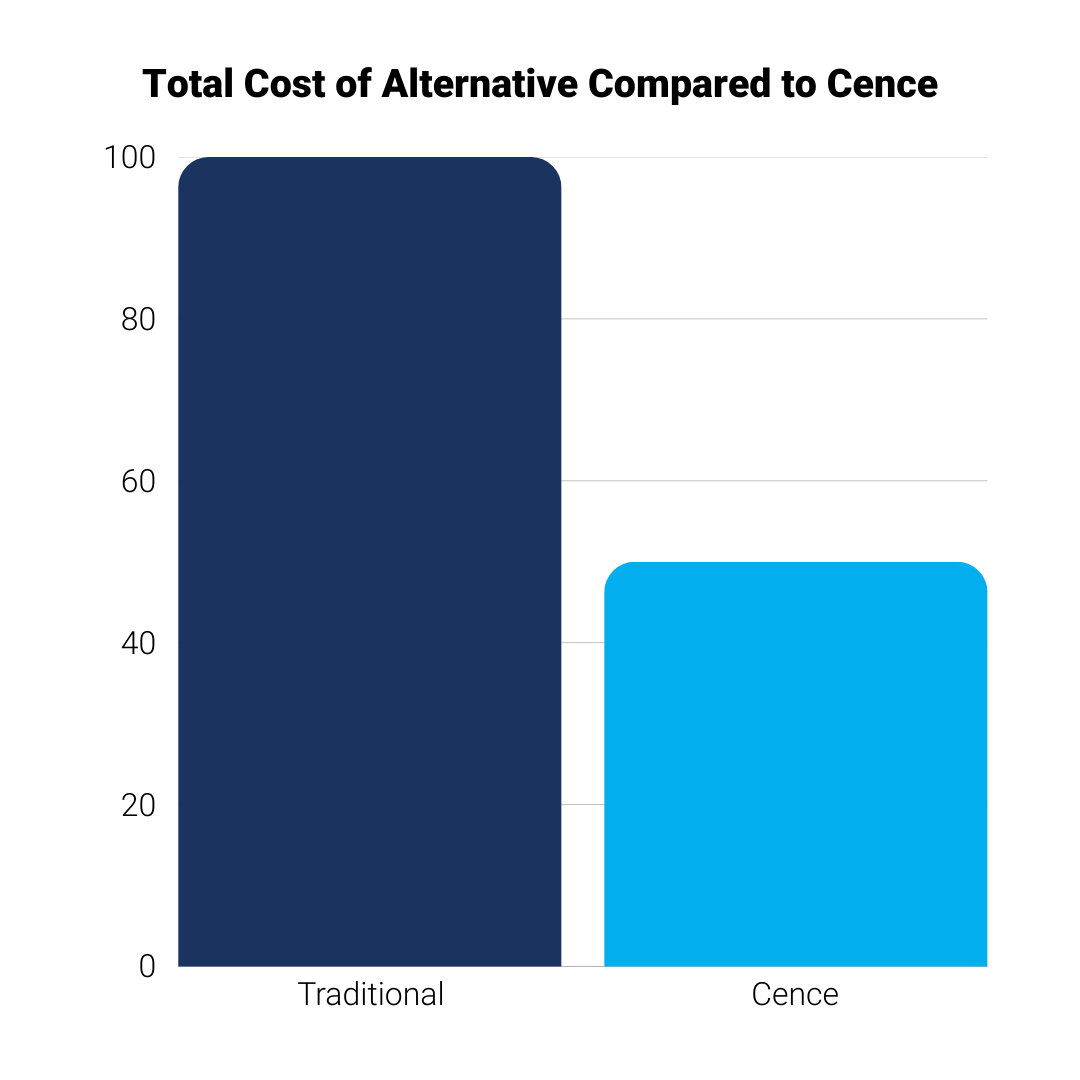
Capital Cost Impact (Projected)
The Roseville installation uses a centralized low-voltage DC architecture that simplifies lighting power distribution while reducing the material intensity of the electrical distribution system.
Projected benefits include:
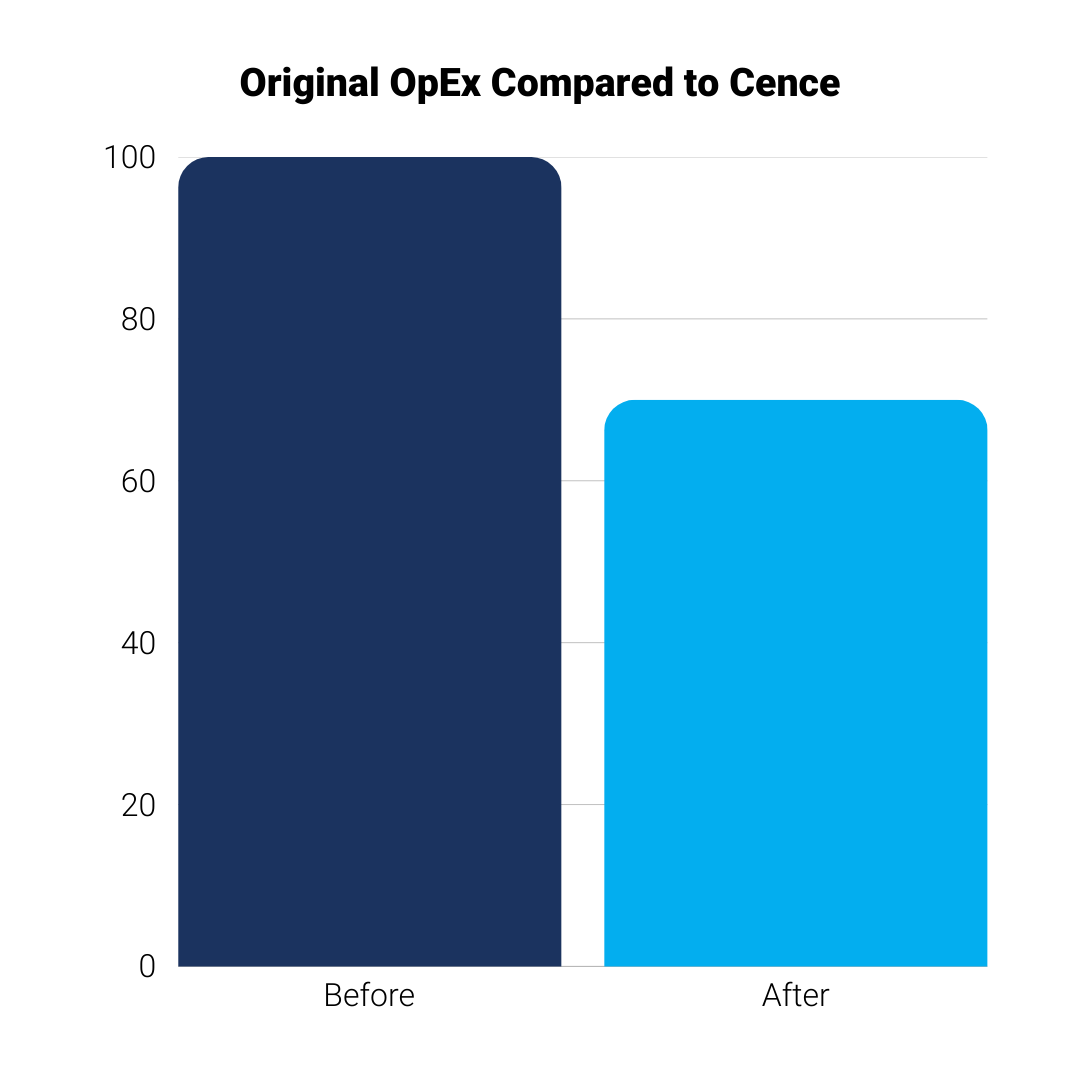
Operating CostImpact (Projected)
Hospital lighting operates continuously, making energy efficiency and maintenance important drivers of lifecycle costs.
By centralizing AC-to-DC conversion and distributing low-voltage DC power directly to LED lighting, Kaiser Permanente Roseville is expected to benefit from:
For a facility operating 24 hours a day, improvements in energy performance, lighting system longevity, and maintenance efficiency can contribute to meaningful reductions in long-term operating costs.
FAQs
Can low-voltage DC lighting be used in hospitals and critical-care environments?
Yes. Low-voltage DC lighting systems can be deployed throughout healthcare facilities, including patient-care and critical-care environments. Centralized power architectures can simplify maintenance by relocating serviceable power conversion equipment to accessible locations.
Why use centralized AC-to-DC conversion for hospital LED lighting?
LEDs operate on DC power. Centralizing AC-to-DC conversion allows power to be converted in one location rather than repeatedly at each fixture, improving efficiency and simplifying maintenance.
How does centralized power affect maintenance?
By relocating AC-to-DC conversion equipment from the fixture to centralized hubs, maintenance activities can be performed at accessible service locations rather than above occupied hospital spaces.
Can centralized AC-to-DC conversion improve LED fixture lifespan?
In many LED lighting systems, AC-to-DC conversion equipment is one of the most failure-prone components. Relocating that equipment to centralized, serviceable hubs can significantly extend system life while simplifying maintenance.


