
Pre-order Cence HV, our fault-managed power system here

.jpeg)
Sport Chek is Canada's premier sporting goods retailer, operating 191 stores nationwide and offering the country's most comprehensive selection of athletic wear, footwear, and sporting equipment. As a Canadian Tire-owned brand, Sport Chek has pioneered high-tech retail experiences featuring interactive displays and modern store designs. The Etobicoke location serves as a major destination in the Greater Toronto Area, featuring multi-level layouts and architectural lighting installations that enhance the customer shopping experience.
The design specified modular linear suspension LED fixtures at a four-story ceiling height above the escalator bay. Traditional AC-DC drivers located at each fixture would create maintenance challenges at this height. Any driver failure would require lift access to troubleshoot and replace components, meaning after-hours coordination and extended downtime. The location above active escalators further restricts access.
Traditional systems also lack diagnostics. Without visual indicators, maintenance crews cannot identify which driver has failed from ground level.
Low-Voltage DC power
Cence designed a centralized Class 2 low-voltage DC distributions system using constant current hubs in accessible electrical rooms.
Note: The striking modular linear suspension LED fixtures visible in the ceiling in the above video - those dramatic concentric arc designs above the escalator are manufactured by Omnify Lighting and powered by Cence's low-voltage DC distribution system.
Video credits: Sport Chek
When a driver module needs replacement, maintenance staff can access it in the electrical room rather than working at height. Because the system operates on Class 2 voltage, facility staff can perform module replacements without requiring a licensed electrician in most North American jurisdictions. The modules are hot-swappable, allowing replacement without shutting down other circuits.
The centralized AC-DC conversion also extends LED fixture life. With AC-DC drivers at each fixture, heat from conversion inefficiencies causes thermal runaway in the driver, leading to premature failure. Centralized conversion eliminates this issue.
Lorem ipsum dolor sit amet, consectetur adipiscing elit, sed do eiusmod tempor incididunt ut labore et dolore magna aliqua. Ut enim ad minim veniam, quis nostrud exercitation ullamco laboris nisi ut aliquip ex ea commodo consequat. Duis aute irure dolor in reprehenderit in voluptate velit esse cillum dolore eu fugiat nulla pariatur.
Block quote
Ordered list
Unordered list
Bold text
Emphasis
Superscript
Subscript

Ground-Level Maintenance:
All active power electronics are accessible in the electrical room, eliminating the need for lifts or scaffolding to service drivers.
Hot-Swappable Continuity:
Individual driver modules can be replaced in minutes without disrupting power to adjacent lighting circuits.
Class 2 Safety Compliance:
The NEC/CEC Class 2 rating permits maintenance personnel to handle module replacements without requiring a licensed electrician (in many jurisdictions) for the low-voltage components.
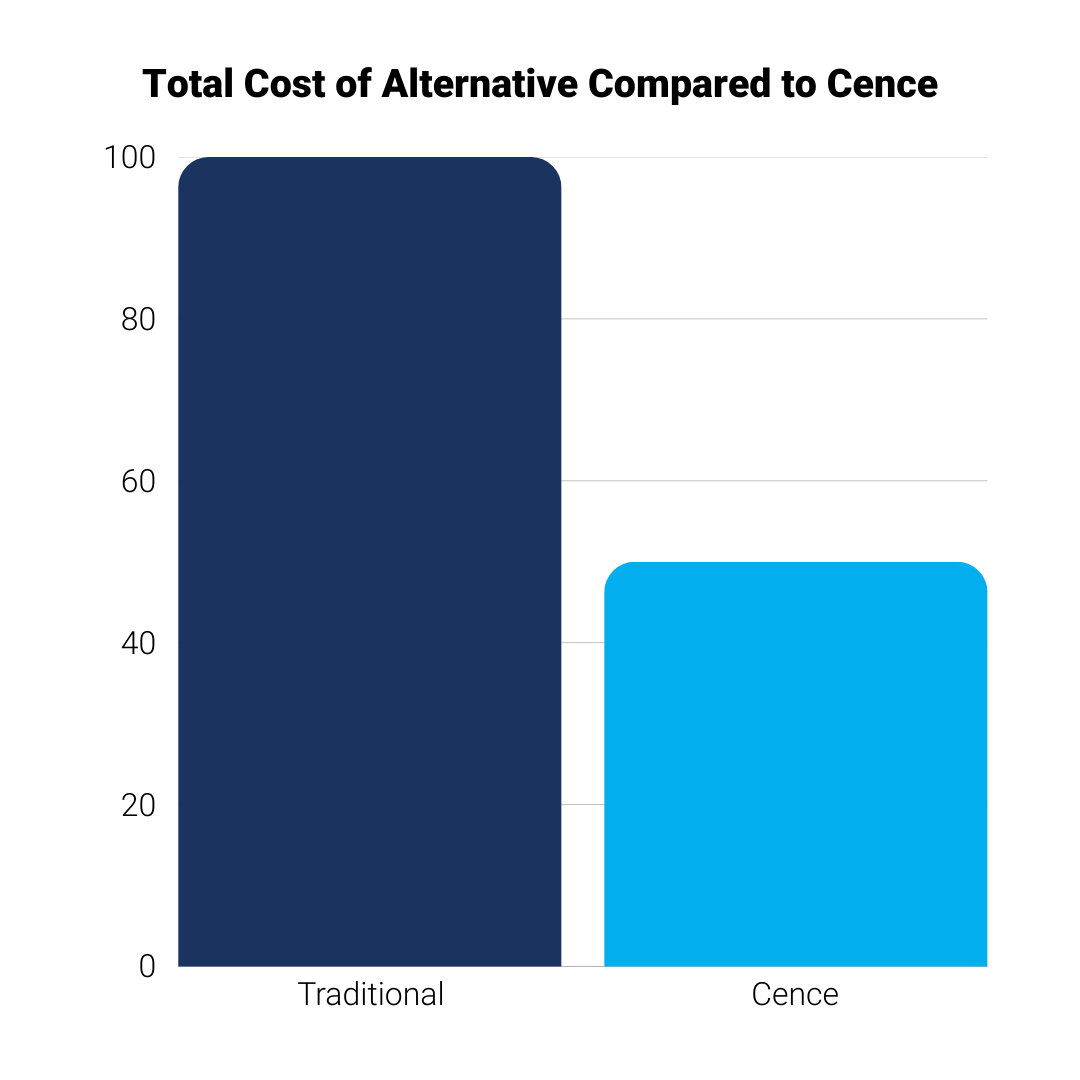
Capital Expenditure Savings (Projected)
By implementing a centralized low-voltage DC power distribution system during new construction, Sport Chek eliminated the need for traditional AC-DC drivers at each fixture and reduces complex high-voltage conduit requirements. This system allows modular linear suspension LED fixtures to be powered directly by centralized DC hubs.
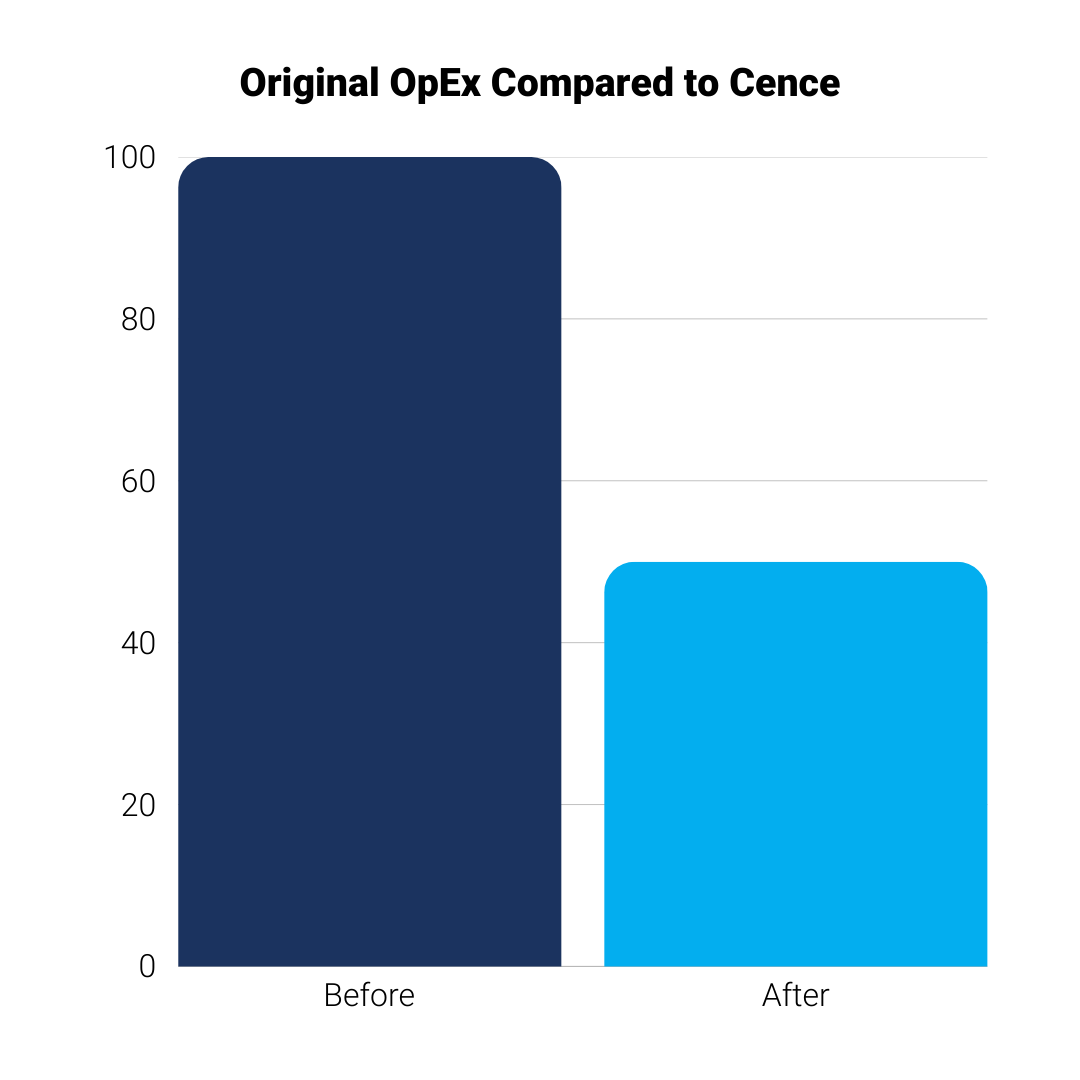
Operational Costs Savings (Projected)
The centralized hub architecture with hot-swappable modules enables ground-level maintenance. Class 2 voltage design reduces labor costs and eliminates the access equipment and after-hours coordination required by traditional ceiling-mounted driver systems.
Explore how a similar low-voltage DC lighting approach was implemented at Kaiser Permanente - Modesto.


